
When Should Kids Start Competitive Dance?
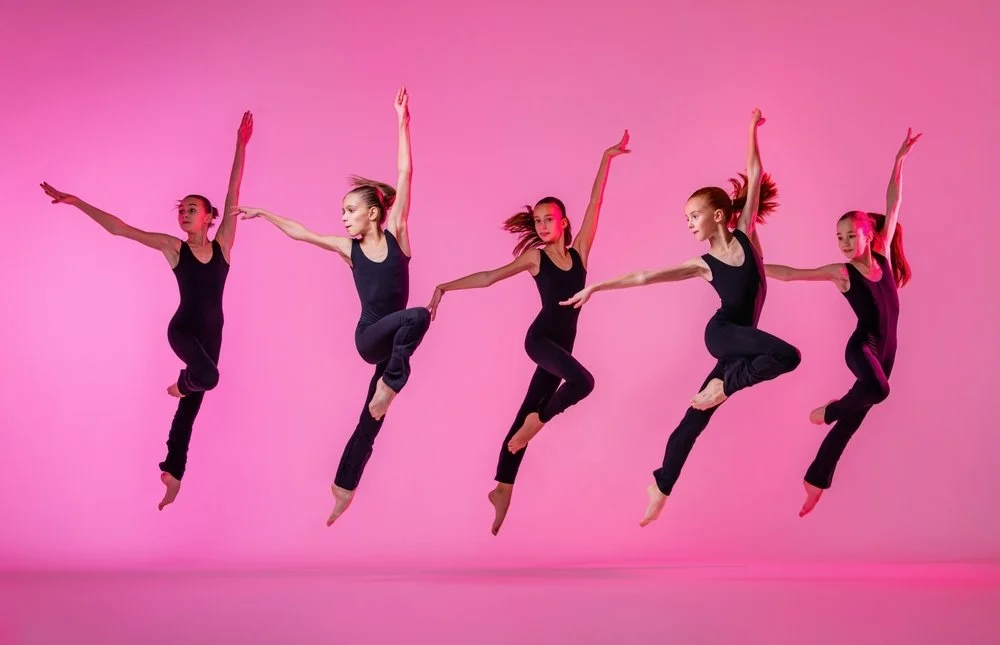
Competitive dance can be an exciting and fulfilling journey for children with a passion for movement and performance. Many parents wonder when the right time is to transition their child from recreational dance classes to a more structured, competitive environment. The answer is not always simple, as it depends on a variety of factors including maturity, skill level, emotional readiness, and the goals of both the dancer and their family.
Understanding the best age to join competitive dance requires a close look at the physical, social, and psychological aspects of a child’s development. This article explores the signs of readiness, what to expect in the world of competitive dance, and how to decide the right time for your child to make the leap.
Understanding the Foundations of Dance Training
Before jumping into competition, a strong foundation in dance is essential. Most children begin with recreational classes that focus on fun, coordination, and basic technique. These early years are critical for developing proper posture, flexibility, rhythm, and body awareness. Starting dance classes around the ages of 3 to 5 is typical, with many studios offering preschool-level programs that introduce young dancers to ballet, tap, or creative movement.
The focus in these early classes is not on performance or competition, but rather on cultivating a love of dance and building fundamental skills. At this stage, children are learning how to listen to instructions, work in groups, and explore their creativity through movement. These foundational years are crucial in determining whether a child is interested in pursuing dance more seriously.
Once a child has spent a few years in recreational dance and shows enthusiasm, discipline, and natural ability, the topic of competition may arise. Some studios have mini or pre-competitive teams that begin accepting dancers around the age of 5 or 6. However, joining a competitive team at this young age is less about winning trophies and more about giving kids exposure to performance environments and encouraging commitment to regular practice.
Signs Your Child May Be Ready for Competitive Dance
Every child develops at their own pace, and readiness for competitive dance is not solely determined by age. Instead, it is a combination of physical ability, emotional maturity, and genuine interest in advancing their skills. One of the clearest indicators is a strong work ethic and excitement for dance beyond the weekly class. If your child is practicing at home, watching dance videos, or asking to take additional classes, it may be a sign that they are ready for a more structured experience.
Another important factor is attention span and the ability to handle longer and more demanding rehearsals. Competitive teams typically require multiple classes per week, plus weekend practices, choreography sessions, and travel to competitions. This level of commitment can be overwhelming for some children, especially if they’re juggling other activities or school responsibilities.
Confidence on stage and comfort in front of an audience are also essential traits. If your child lights up during recitals and enjoys being the center of attention, they might thrive in the competitive dance world. On the other hand, children who struggle with anxiety or fear of performance might need more time to build their self-assurance before competing.
It’s important for parents to consider their own readiness as well. Competitive dance is a family commitment involving time, travel, finances, and emotional investment. Open communication with your child’s dance teachers and directors can help assess if now is the right time to take that next step.
The Best Age to Join Competitive Dance: Is There a Magic Number?
While some children start competitive dance as early as 5 or 6 years old, many experts suggest that ages 7 to 10 may be the sweet spot. At this stage, children have typically developed the physical coordination needed for more complex choreography, and they are better equipped to handle the mental and emotional demands of competition. This age range also allows dancers to receive sufficient training before entering higher-level competitions as teens.
The best age to join competitive dance also depends on the structure of the studio and the opportunities available. Some studios have tiered programs that allow children to ease into competition with minimal pressure, while others may expect a more intense commitment from the start. It’s important to research different programs and find one that matches your child’s goals and temperament.
Waiting until a child is a bit older may also allow for better injury prevention. Younger dancers’ bodies are still developing, and placing them in intense training programs too early can lead to overuse injuries. By waiting until a child has built up sufficient strength and technique, parents can help ensure a safer and more sustainable dance experience.
Ultimately, there is no universal answer. The best age to join competitive dance is different for each child, and the decision should be based on their individual growth and interest, rather than outside pressure or comparisons with peers.
Benefits and Challenges of Competitive Dance
There are many advantages to enrolling a child in competitive dance. It fosters discipline, resilience, teamwork, and a strong sense of accomplishment. Dancers learn how to set goals, accept constructive criticism, and persevere through challenges. The thrill of performing and the camaraderie built with teammates can create unforgettable childhood memories.
However, competitive dance also comes with its share of challenges. The physical demands can be intense, with multiple hours of training each week. There may be financial costs associated with costumes, travel, and tuition, which can place stress on families. The competitive nature of dance can also lead to feelings of comparison and self-doubt, especially for children who are perfectionists or struggle with confidence.
Parents must be mindful of maintaining a healthy balance. Encouraging rest, promoting a positive body image, and celebrating effort over results are important strategies for supporting a child in competitive dance. When done with the right mindset, competition can be a valuable tool for growth rather than a source of pressure.
Helping Your Child Succeed in the Competitive Dance World
Once you’ve determined that your child is ready for competitive dance, setting them up for success involves preparation and support. Ensuring they are enrolled in a studio that values both technique and well-being is key. A good competitive program will focus not just on winning, but on developing strong, confident, and well-rounded dancers.
Talk to your child regularly about their goals and feelings. Check in to make sure they are enjoying the process and not feeling overwhelmed or discouraged. It’s normal for dancers to face occasional setbacks, but they should ultimately find joy and motivation in their journey.
Nutrition, rest, and injury prevention should be priorities. Encourage cross-training to build strength and flexibility, and make sure your child is getting enough sleep to support their growth and recovery. Professional instructors and medical experts can provide guidance on keeping young dancers safe and healthy.
Celebrate milestones, big and small. Whether it’s mastering a difficult turn or placing in a competition, acknowledging your child’s progress reinforces their confidence and passion. At the same time, teach them to find value in the experience rather than just the outcome. Competitive dance is a marathon, not a sprint, and the skills learned along the way will serve them both in and out of the studio.
Conclusion
Deciding when to introduce your child to competitive dance is a personal decision that depends on many unique factors. While there is no fixed rule, the best age to join competitive dance is generally when a child has developed a solid foundation in technique, expresses a strong desire to commit, and shows the emotional maturity to handle the pressures of competition.
For some, this might be as young as 5 or 6; for others, waiting until 9 or 10 may be more appropriate. What matters most is that the child enters the competitive dance world with support, joy, and readiness to grow. With the right timing and environment, competitive dance can be a transformative experience that teaches valuable life skills, nurtures talent, and brings a lasting love for the art of movement.
Need DANCE CLASSES FOR CHILDREN NEAR YOU?
We would love to welcome you into our dance family, so reach out today to learn how our award winning Livermore studio can inspire your child through movement, creativity, and confidence. Whether your dancer is just beginning with Twinkle Star Dance™, ready for structured Ballet School training, excited to try Jazz, Tap, Lyrical, or Hip Hop, or dreaming of performing in shows like The Nutcracker or The Big Show, we are here to help them shine. Start your dance journey with us today!
