5 Ways Dance Classes Can Help You Make New Friends
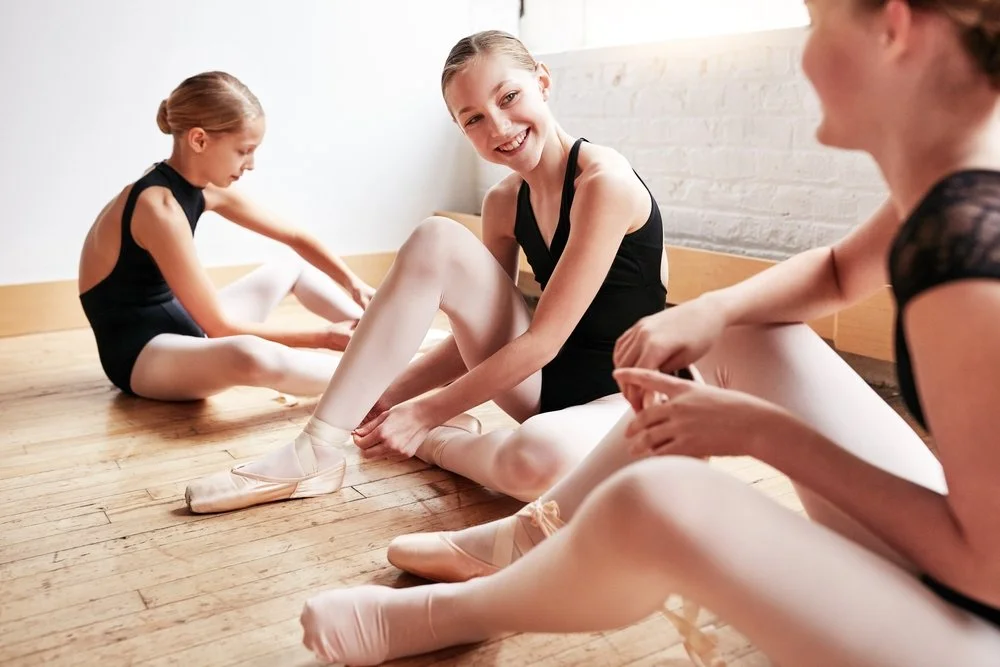
Today, forging real-life friendships can be a challenge. While social media platforms have made it easier to connect with others online, they often fall short when it comes to cultivating meaningful, face-to-face relationships. That’s where dance classes come in, not just as a fun way to stay active, but as a powerful tool for building lasting social connections. Whether you're an experienced dancer or stepping into the studio for the first time, dance offers a unique environment that fosters interaction, teamwork, and emotional connection. Here are five compelling ways dance classes can help you in making friends through dance.
Shared Passion Creates Instant Bonds
One of the most natural ways to connect with new people is by sharing a common interest. Dance classes attract individuals who are united by their love for music, rhythm, and movement. This shared enthusiasm becomes a strong foundation upon which friendships can form. It’s not unusual to see people chatting before class starts, discussing their favorite dance styles or instructors, and finding common ground that extends beyond the dance floor.
This environment reduces the awkwardness that can sometimes accompany meeting someone new. Since everyone is there for the same reason, conversations happen more organically. You might find yourself laughing with a partner during a misstep or complimenting someone’s footwork, both of which can spark further dialogue. Over time, these brief interactions can evolve into genuine friendships, grounded in the joy of dancing together.
The Power of Physical Connection and Trust
Many dance styles, especially partner dances like salsa, swing, and ballroom, require a level of physical connection and coordination that builds trust between participants. Unlike other social settings where small talk is the only icebreaker, dance involves immediate interaction. From the first count of music, you’re communicating with your partner through touch, movement, and eye contact. This non-verbal dialogue fosters a unique sense of connection that can make it easier to open up emotionally.
As you learn to read each other's cues and movements, a mutual respect and trust begin to form. These experiences of synchronizing with another person create a powerful bonding experience. Even if words are few during the lesson, the silent collaboration of dance lays the groundwork for conversations and relationships outside the studio. This trust-based environment supports the development of friendships that feel authentic and deeply rooted in shared experience.
Group Learning Encourages Team Spirit
Most dance classes are structured as group lessons, which naturally encourage a sense of camaraderie. Whether you're rehearsing a group choreography or rotating partners in a social dance class, you're continually engaging with others in a cooperative and supportive way. Group dynamics create a team-like atmosphere where everyone is working toward a common goal: improving their skills and having a great time.
In this setting, encouragement flows freely. Classmates cheer each other on, offer tips, and celebrate milestones together. This collective progress reinforces a sense of belonging and shared identity. It becomes easier to remember names, strike up conversations, and make plans to attend dance socials or events together. The collaborative nature of learning dance not only enhances the experience but also accelerates the process of making friends through dance.
Social Events and Dance Communities Expand Your Circle
Another significant benefit of joining a dance class is the access it provides to a broader dance community. Many studios host regular social events, performances, workshops, and festivals where dancers from different classes and backgrounds come together. These gatherings are perfect opportunities to meet new people who share your passion for dance.
Attending dance socials outside of regular class times allows for more relaxed and informal interactions. The shared excitement of a themed dance night or live music performance creates a lively and welcoming atmosphere. You’re likely to meet dancers of all levels, from beginners to seasoned professionals, all of whom are open to connecting and sharing the joy of movement.
Moreover, these events often encourage dancing with multiple partners, which helps break down social barriers and introduces you to people you may not have encountered in your regular class. Over time, these extended interactions help to form deeper, more diverse friendships that span beyond the confines of the studio.
Emotional Expression Builds Deeper Connections
Dance is not just about physical movement; it is also a profound form of emotional expression. It offers a safe space to release stress, express feelings, and connect with others on a deeper emotional level. Whether you're moving to the passionate rhythm of tango or the upbeat tempo of hip-hop, dance allows you to communicate in ways that words sometimes can't.
This emotional openness can lead to more sincere and meaningful connections with others in your class. You may notice someone expressing vulnerability during a difficult choreography or sharing a personal story about what drew them to dance. These moments of emotional honesty often invite empathy and support, strengthening the bonds between classmates.
Being part of a community that values expression and creativity nurtures an environment of authenticity. It encourages dancers to show up as their true selves, making it easier to form connections that go beyond surface-level small talk. In this space, friendships are not only possible; they’re inevitable.
Conclusion
In a world where authentic social interaction is becoming increasingly rare, dance classes offer a powerful antidote. They provide a rich environment for making friends through dance by bringing people together around a shared passion, fostering trust through physical connection, encouraging group collaboration, expanding social opportunities, and enabling deep emotional expression. Unlike other hobbies that may be more solitary or competitive, dance is inherently communal and supportive.
The friendships formed in dance classes often extend beyond the studio, enriching your social life with people who understand and share your enthusiasm. So whether you're looking to improve your dance skills or simply expand your social circle, stepping into a dance class could be the first step toward finding meaningful, lasting friendships. The next time you lace up your dance shoes, remember that you’re not just learning choreography; you’re opening the door to a vibrant, welcoming community where friendships flourish with every step.
Need DANCE CLASSES FOR CHILDREN NEAR YOU?
We would love to welcome you into our dance family, so reach out today to learn how our award winning Livermore studio can inspire your child through movement, creativity, and confidence. Whether your dancer is just beginning with Twinkle Star Dance™, ready for structured Ballet School training, excited to try Jazz, Tap, Lyrical, or Hip Hop, or dreaming of performing in shows like The Nutcracker or The Big Show, we are here to help them shine. Start your dance journey with us today!
