What's the Best Age to Start Ballet Classes?
Ballet has captivated audiences for centuries with its graceful movements, technical precision, and expressive storytelling. For many, the fascination with ballet begins in early childhood, inspiring dreams of twirling across a grand stage in satin pointe shoes. However, one question often arises for parents and aspiring dancers alike: what’s the best age to join ballet? Whether for fun, fitness, or professional aspirations, understanding the ideal time to begin ballet training can help set realistic goals and ensure a rewarding experience.
Ballet and Early Childhood Development
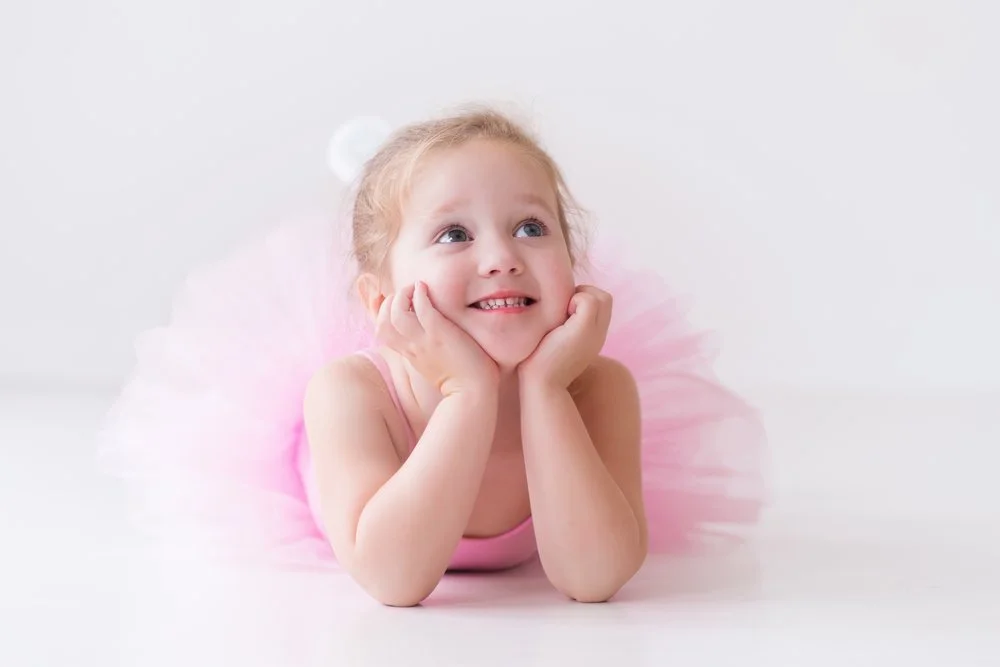
Many ballet schools offer classes for children as young as 3 or 4 years old. At this age, classes typically focus on creative movement, rhythm, and basic motor skills rather than strict ballet technique. These introductory sessions are designed to cultivate a love for movement, improve coordination, and foster imagination. Early exposure to dance also supports cognitive development, emotional expression, and social interaction, all of which are important aspects of early childhood education.
Starting ballet at a young age allows children to build a strong physical foundation. Their muscles, joints, and posture develop in a way that supports future technical training. Moreover, young children are highly adaptable and can more easily internalize complex movement patterns as they progress. While it's not essential to start ballet this early to become proficient, many professional dancers did begin their training around this time.
Still, it’s important for parents to recognize that early ballet classes are not about pushing children into a rigorous routine. The focus should be on enjoyment and exploration. The best age to join ballet for long-term success often involves nurturing a positive relationship with dance from the outset, without the pressure of perfection.
The Ideal Age to Begin Formal Ballet Training
Formal ballet training typically begins between the ages of 7 and 10. This is when children are developmentally ready to handle more structured and technique-driven instruction. At this stage, young dancers have improved body awareness, better listening skills, and a greater ability to concentrate for extended periods. They can start to learn the vocabulary of ballet, positions of the feet and arms, and the importance of alignment and posture.
This age range is often considered the best age to join ballet with an eye toward serious training. Ballet schools may start assessing students for physical potential, including flexibility, turnout, and musicality. Some institutions even begin preparing students for pre-professional tracks during this window. However, not every child will aspire to dance professionally, and that’s perfectly okay. What matters most is that they are engaged, motivated, and enjoying the learning process.
Starting ballet during these formative years provides enough time to master foundational skills before advancing to more complex techniques. It also helps in developing discipline, patience, and resilience, qualities that benefit dancers both inside and outside the studio.
Can Teenagers Start Ballet and Still Succeed?
A common misconception is that ballet must be started in early childhood to yield any meaningful results. While it’s true that starting young offers certain physical and developmental advantages, many teenagers begin ballet later and still find great success, especially if their goals include recreation, artistry, or cross-training rather than a professional career.
Teenagers bring a unique set of strengths to the studio. They often have a clearer sense of purpose, better self-awareness, and the emotional maturity to embrace constructive feedback. Their cognitive development allows them to grasp complex concepts quickly, and they may progress faster in some areas compared to younger students.
In recent years, the dance community has become more inclusive and encouraging of late starters. Many ballet programs now offer beginner classes specifically for teens, recognizing the growing demand from those who discover their passion later. Although a professional career in ballet may be more challenging to pursue for those who start in their teens, it’s not impossible. Dedication, consistent practice, and the right instruction can help close the gap significantly.
Ultimately, the best age to join ballet is not always dictated by numbers. It also depends on the individual's mindset, commitment, and personal goals. Teenagers who are enthusiastic and willing to work hard can achieve remarkable progress and find immense joy in the art form.
Ballet for Adults: It’s Never Too Late
Contrary to popular belief, ballet isn’t just for the young. Adults of all ages are embracing ballet as a means of physical fitness, artistic expression, and personal growth. Whether you’re in your twenties, thirties, or even older, it’s never too late to lace up a pair of ballet slippers and take that first plié.
Adult ballet classes are tailored to meet the needs of mature learners. These classes emphasize correct alignment, injury prevention, and gradual skill development. Students often report improved posture, flexibility, balance, and mental clarity. Beyond the physical benefits, adult ballet offers a sense of accomplishment, mindfulness, and community.
Starting ballet as an adult may not lead to a professional stage career, but that doesn’t diminish its value. Many adult dancers find ballet to be a lifelong passion that enriches their lives in unexpected ways. It’s a form of self-care, a creative outlet, and a powerful reminder that learning and growth can happen at any age.
The best age to join ballet, therefore, extends well beyond childhood and adolescence. What matters most is having the curiosity to explore movement and the courage to begin. Whether you’re rekindling an old interest or starting fresh, adult ballet offers a welcoming path to wellness and artistry.
Choosing the Right Program Based on Age
Once you’ve identified the best age to join ballet for yourself or your child, the next step is choosing the right program. Not all ballet schools are created equal, and age-appropriate instruction is key to a successful experience. Look for programs that align with the dancer’s age, skill level, and goals. For very young children, prioritize studios that offer creative movement and pre-ballet with nurturing, experienced instructors.
For children between 7 and 10, seek out schools that provide a structured curriculum with room for exploration and joy. If your child expresses serious interest, research programs with a track record of preparing students for auditions and higher-level training. For teenagers, choose programs that understand the unique needs of late starters and foster a supportive, growth-oriented environment.
Adults should consider studios that offer beginner and intermediate classes specifically for older learners. These programs often move at a different pace and provide modifications as needed. A trial class can be an excellent way to evaluate the instructor’s style and determine if the class feels right for you.
Regardless of age, the quality of instruction, the atmosphere of the studio, and the passion of the dancer all play a role in shaping a rewarding ballet journey. Choosing the right environment can help ensure progress, prevent injuries, and make the experience both enjoyable and sustainable.
Conclusion
So, what’s the best age to join ballet? The answer depends on your goals, interests, and personal circumstances. For those dreaming of a professional career, beginning as early as age 7 to 10 offers the best foundation. Young children can benefit from playful exposure as early as 3 or 4, while teenagers and adults can still find immense satisfaction and growth through ballet, regardless of when they begin.
What truly matters is the intention behind the choice to dance. Ballet offers something for everyone, from the joy of movement and artistic expression to physical fitness and mental focus. There is no expiration date on creativity or the desire to move with grace and intention.
Whether you're a parent nurturing a child’s first interest in dance, a teen looking to explore a new activity, or an adult rediscovering movement, ballet welcomes you. The best age to join ballet is the age you are when you decide you're ready to start.
Let that be today.
Need DANCE CLASSES FOR CHILDREN NEAR YOU?
We would love to welcome you into our dance family, so reach out today to learn how our award winning Livermore studio can inspire your child through movement, creativity, and confidence. Whether your dancer is just beginning with Twinkle Star Dance™, ready for structured Ballet School training, excited to try Jazz, Tap, Lyrical, or Hip Hop, or dreaming of performing in shows like The Nutcracker or The Big Show, we are here to help them shine. Start your dance journey with us today!
