Tap Dance Classes in Livermore, CA: What Parents Should Know Before Enrolling
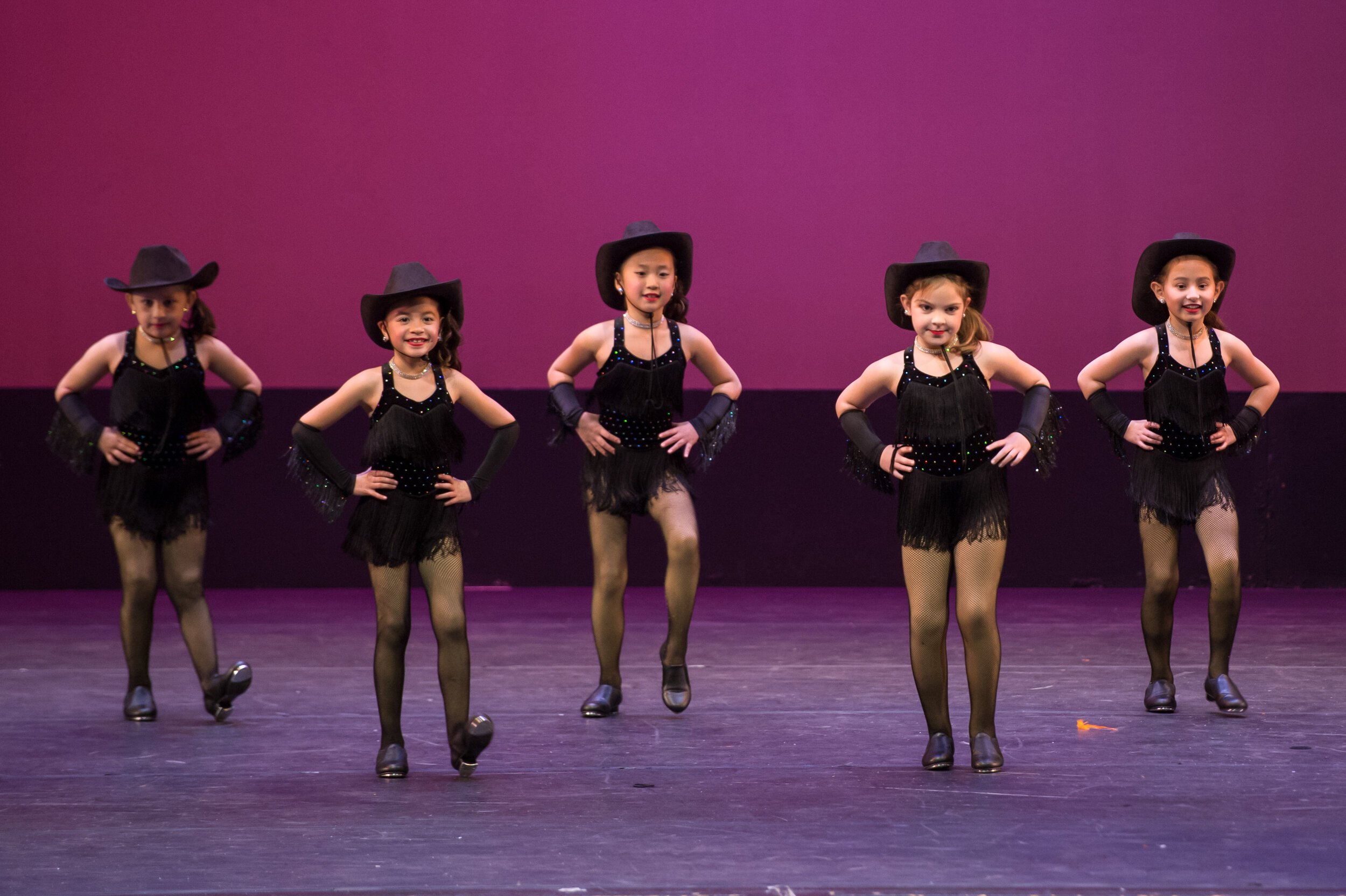
For families in Livermore, choosing a tap class is about more than finding an activity that fits between school, homework, and weekends. Parents also want to know whether the class matches their child’s age, experience, personality, and interest level.
Tap can be an engaging introduction to dance because students create rhythm with their own movement. Before enrolling, it helps to understand what children learn, what they need for class, and how to choose an age-appropriate program.
Quick answer: Tap dance classes teach children to create rhythms and patterns with their feet while developing timing, coordination, musicality, and dance fundamentals. Parents looking at classes in Livermore should consider their child’s age, experience, class format, schedule, dress requirements, and whether a trial class is available before committing.
What local parents should know
Beginner tap classes should introduce foundational steps and rhythms before progressing into longer combinations.
Younger children may benefit from a combination class that introduces tap alongside ballet, jazz, or creative movement.
Families coming from South Livermore, Springtown, Downtown Livermore, Pleasanton, or elsewhere in the Tri-Valley should consider travel time when choosing a weekly class.
Proper tap shoes matter because the sounds created by the shoes are part of how students learn rhythm and timing.
A trial class can help parents see how their child responds to the instructor, class structure, and dance style before enrolling.
What Do Children Learn in Tap Dance Classes?
Children in tap dance classes learn foundational steps, rhythmic patterns, timing, coordination, and combinations that connect movement with music. Unlike dance forms where movement is primarily visual, tap also asks dancers to listen closely to the sounds their feet create and understand how those sounds fit together.
Beginners generally need time to become comfortable shifting their weight, controlling their feet, remembering steps, and following rhythms. As dancers progress, individual movements can be connected into increasingly complex combinations.
For children around Livermore and the Tri-Valley, tap can also be a practical choice for dancers who enjoy music, movement, patterns, and making a little noise while they learn.
Why Is Tap Dance a Good Choice for Livermore Kids?
Tap can be a good choice for Livermore kids who enjoy energetic movement, music, rhythm, and learning skills in a structured class setting. It gives children a dance style in which they can hear their progress as individual sounds gradually become recognizable rhythms and combinations.
At Tiffany's Dance Academy, we offer tap as one of several dance styles available to children at our East Avenue studio. Our current programs also include ballet, jazz, hip-hop, lyrical/contemporary, creative movement, and combination classes, giving local families several ways to explore dance.
For families balancing school and activities throughout Alameda County, consistency is worth considering. A class your family can realistically attend each week is usually a better fit than one that creates an ongoing scheduling challenge.
What Age Can Children Start Learning Tap?
Children can be introduced to tap at a young age when the class is designed specifically for their developmental stage. The right starting point depends less on having previous dance experience and more on finding instruction with appropriate expectations, class length, activities, and structure.
At our Livermore studio, Twinkle Baby & Me for ages 18 months to 2 introduces ballet, tap, and creative movement with parent participation. Twinkle Babies for ages 2 to 3 also includes tap, while Twinkle Stars classes for ages 3 to 6 combine ballet, tap, and jazz or creative movement.
That means a young child does not necessarily need to begin with a tap-only class. A combination format can provide exposure to tap while allowing children to experience other styles.
What Should Parents Look for in a Tap Class?
Parents choosing a tap class should look for age-appropriate instruction, clear class expectations, progressive skill development, and a setting where their child can stay engaged. The best class fit can vary considerably between a preschooler taking a first dance class and an older child who already has dance experience.
Consider these factors before enrolling:
Is the class intended for your child’s age and experience?
Does the schedule work consistently with school and family commitments?
What shoes and dancewear are required?
Is the class focused only on tap or does it combine multiple dance styles?
How are foundational skills introduced?
Can your child try the class before enrolling?
Are there performances or other commitments families should know about?
Parents should also read tuition, enrollment, drop, and attendance policies before registering so they understand the full commitment.
What Are the Signs a Tap Class May Be a Good Fit?
A tap class may be a good fit when a child enjoys music, rhythms, active movement, repetition, and learning patterns step by step. Children do not need to arrive with perfect coordination or prior dance training, especially when they are entering an age-appropriate beginner program.
Signs worth watching for include:
Your child naturally taps, claps, or moves along with music.
They enjoy activities that involve rhythm and repetition.
They are curious about the sound tap shoes make.
They like learning physical skills in small steps.
They enjoy music but want a more active activity.
They are interested in performing or dancing.
They want to explore a new dance style.
Interest matters, but parents should not expect children to know whether they love tap before trying it. Sometimes the easiest way to find out is simply to experience a class.
What Should a Child Wear to Tap Class?
Children should wear the tap shoes and dancewear specified by their studio because proper footwear and clothing support safe, focused participation. Parents should check the exact dress code before purchasing shoes since requirements can differ according to class, level, and program.
Our Livermore location provides class-specific dress code information and uses Nimbly for dancewear purchases.
Avoid assuming that any pair of tap shoes will automatically meet class requirements. Checking first can prevent buying the wrong style or size.
How Can Parents Prepare for the First Tap Class?
Parents can prepare for a first tap class by confirming the dress code, arriving with enough time to get settled, and giving their child realistic expectations about being a beginner. A first class is an introduction, not a test of whether a child is naturally talented at dance.
For younger dancers, keep the conversation simple and positive. Explain that they will listen to their teacher, learn movements, hear sounds from their shoes, and practice alongside other children.
For families driving across the Tri-Valley, especially during busy after-school hours, planning the route ahead can also make that first class feel less rushed.
Common Mistakes Parents Make When Choosing Tap Classes
The most common enrollment mistakes involve choosing a class based only on convenience, buying equipment too early, or expecting immediate results. A better approach is to consider the child, instructor, curriculum, class level, and weekly commitment together.
Mistake: Choosing only by age.
Consequence: Two children of the same age can have very different experience levels and comfort in class.
Better approach: Consider both age and prior dance experience.
Mistake: Buying tap shoes before checking requirements.
Consequence: The shoes may not match the class dress code.
Better approach: Confirm requirements before shopping.
Mistake: Expecting complicated steps immediately.
Consequence: Parents or dancers may become discouraged while foundational skills are still developing.
Better approach: Give beginners time to learn basic movements and rhythms.
Mistake: Ignoring the weekly commute.
Consequence: A difficult after-school drive can make consistent attendance harder.
Better approach: Families in Livermore, Pleasanton, and nearby communities should consider the entire weekly routine before enrolling.
Should My Child Take Tap Alone or a Combination Class?
Tap-only classes provide focused instruction, while combination classes let younger dancers experience tap alongside other dance styles. The right option depends on your child’s age, interests, experience, and whether they already know they want to concentrate on tap.
For young beginners who are still discovering what they enjoy, a combination class can offer broader exposure. At our studio, age-specific programs for younger dancers combine tap with styles such as ballet, jazz, and creative movement. Older or more tap-focused dancers may prefer dedicated tap instruction.
A Common Livermore Family Scenario
A common Livermore scenario is a parent looking for an after-school activity for a child who likes music but has never taken a formal dance class. The family may be unsure whether to choose ballet, jazz, tap, or a combination program.
Instead of asking a beginner to make a long-term decision about a dance style they have never experienced, parents can compare age-appropriate options and consider a trial class. Seeing how a child responds to the teacher, music, structure, and movements provides more useful information than choosing from a class description alone.
Can My Child Try Tap Before Enrolling?
A trial class can give children and parents a practical way to evaluate whether the class feels like the right fit before enrolling. It allows a child to experience the studio environment and gives the family a clearer idea of what the weekly class involves.
We currently provide an option for new families to request a trial class at our Livermore location. Availability should be checked for the specific class a family is considering.
Request a Livermore trial class and help your dancer discover whether tap is the right fit
How Do Tap Classes Compare With Other Dance Styles?
Tap emphasizes rhythm and percussive footwork, while other dance styles place different emphasis on technique, movement quality, expression, or choreography. Children who are new to dance do not necessarily need to know which style they prefer before starting.
Ballet develops classical dance foundations and technique. Jazz emphasizes energetic movement and rhythm. Hip-hop introduces a different movement vocabulary and performance style. Lyrical and contemporary classes incorporate expressive movement, while tap gives dancers the distinctive experience of creating sound through their feet.
Trying more than one style can help a child discover what keeps them excited to return to class.
Tap Dance Classes for Livermore and Tri-Valley Families
Tap dance classes in Livermore can serve families throughout the surrounding Tri-Valley who want an accessible local option for children's dance instruction. Our studio is located at 4046 East Avenue in Livermore, with families in nearby communities such as Pleasanton also able to consider the location when comparing class schedules.
We also have Tiffany's Dance Academy locations in Fremont and San Ramon.
What Happens If Parents Wait to Enroll?
Waiting does not mean a child has missed the opportunity to learn tap, but class availability and performance-related enrollment restrictions can affect when joining is practical. Families should check the current schedule rather than assuming every class remains open throughout the season.
Our current Livermore policies state that students may enroll during the year, although some restrictions can apply after March when certain classes are preparing for June performances. Mid-month enrollment is prorated according to the studio's published policy.
Check current Livermore class availability and find an age-appropriate option for your dancer
Frequently Asked Questions About Tap Dance Classes in Livermore, CA
Do children need dance experience before starting tap in Livermore?
No, children do not necessarily need previous dance experience to begin learning tap. Beginners can start by learning foundational movements, rhythms, and combinations appropriate to their class level. The key is choosing a class that matches the dancer's age and experience rather than placing them into instruction that assumes skills they have not learned yet.
What age can my child start tap dance in Livermore?
Children can be introduced to tap during the toddler and preschool years when the program is designed for their developmental stage. At our Livermore studio, tap is included in programs beginning with Twinkle Baby & Me for ages 18 months to 2, with additional age-specific options for children ages 2 through 6.
Does my child need tap shoes for class?
Yes, tap instruction generally requires appropriate tap shoes so dancers can create the sounds used to learn steps and rhythms. Parents should confirm the specific dress code before buying footwear. Shoe requirements may vary, and checking first helps ensure your child arrives with equipment appropriate for the class.
Are there combination dance classes for younger children in Livermore?
Yes, combination classes can introduce younger children to tap while allowing them to experience other dance styles. Our current Livermore offerings include age-specific programs that combine tap with ballet and creative movement or jazz. This can be useful for children who are interested in dance but have not developed a favorite style yet.
Can my child take a trial tap class in Livermore?
Yes, trial classes are currently available by request at our Livermore studio, subject to availability in the appropriate class. A trial can help families evaluate the class structure, instructor, schedule, and their child's response before deciding whether ongoing enrollment makes sense. Parents should check current availability for their dancer's age group.
Is tap good for children who enjoy music?
Yes, tap can be especially appealing to children who enjoy rhythm because the dancer creates audible patterns with their feet. Students learn to connect movement, timing, and sound rather than simply moving along with music. That rhythmic element is one of the features that distinguishes tap from many other forms of dance.
Are tap classes available for families outside Livermore?
Yes, families from surrounding Tri-Valley communities can consider the Livermore studio based on the class schedule and travel time. Tiffany's Dance Academy also currently lists studio locations in Fremont and San Ramon, giving Bay Area families additional options when determining which location works best for their weekly routine.
How do I know whether tap or ballet is better for my child?
The better fit depends on what kind of movement and class experience your child enjoys, rather than one style being universally better. Tap places strong emphasis on rhythm and sound, while ballet emphasizes classical technique and movement foundations. A combination or trial class can help younger dancers explore their interests before specializing.
Help Your Child Find the Right Tap Class in Livermore
Choosing a dance class should feel exciting rather than overwhelming. By considering age, experience, class structure, dress requirements, scheduling, and your child's interests, you can make a more informed choice for your family.
At our East Avenue studio, we're ready to help local families explore age-appropriate dance options and determine where their dancer can get started.
Start Your Dancer's Next Step in Livermore
Find a class that matches your child's age, experience, and interest in movement and rhythm.
