Is It Too Late to Start Dance Classes This Year?
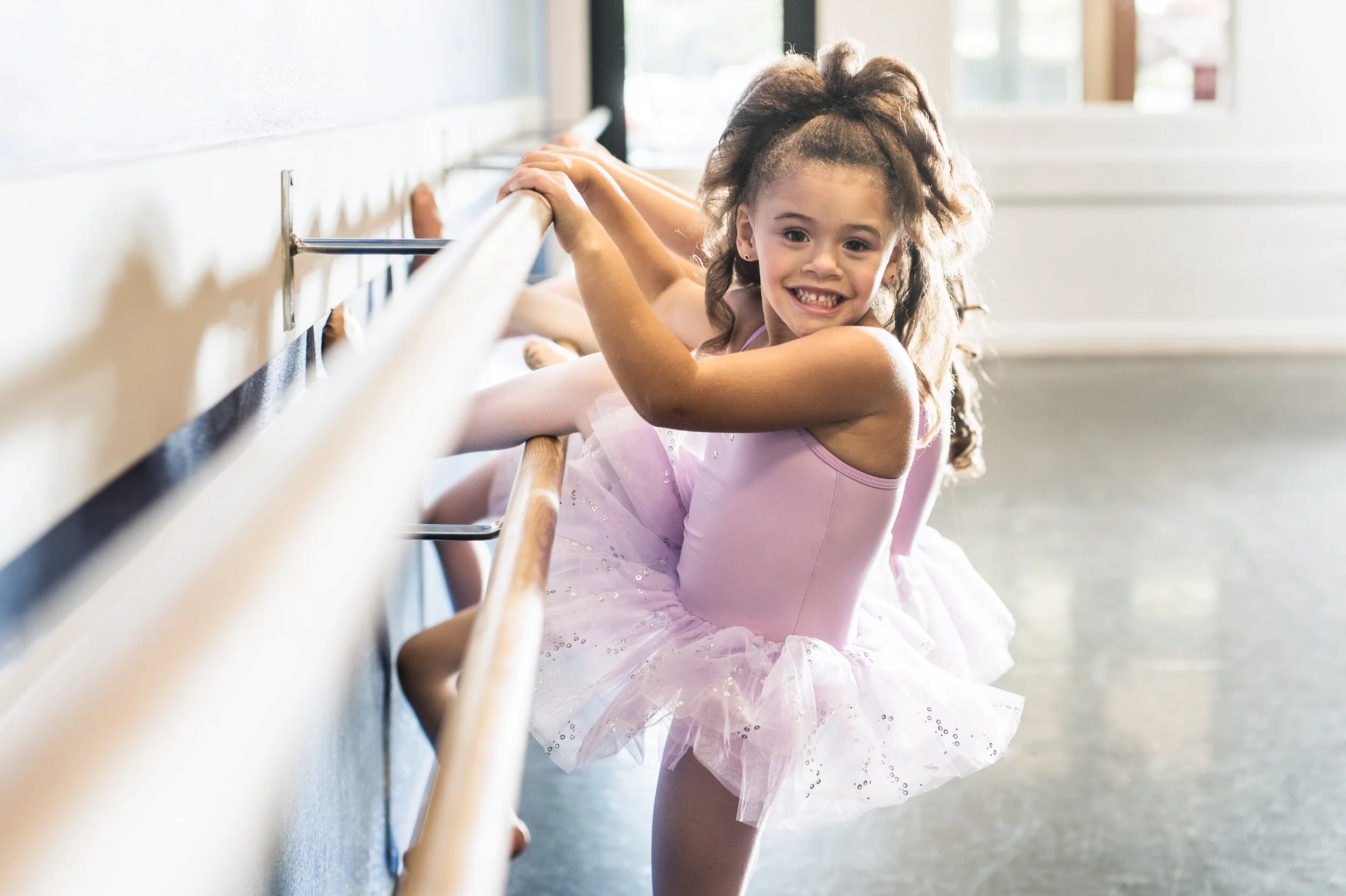
The school year may already be underway, calendars are filling up, and other dancers may have started classes weeks ago. For families in Livermore, that can make signing up for dance now feel like arriving late to the party.
The good news is that starting later in the year does not automatically mean a child has missed their chance to dance.
Quick answer: It may not be too late to start dance classes this year. Whether a student can join depends on factors such as age, experience level, class availability, the style of dance, and how far the class has progressed. Beginners can often benefit from starting when they are ready rather than waiting months for an arbitrary date on the calendar.
What local families should know
A student does not necessarily need previous dance experience to begin classes later in the year.
Families balancing school, sports, and activities around Livermore may find that a later start actually fits their schedule better.
Beginning now can give a new dancer time to learn basic terminology, classroom expectations, and foundational movements.
Class placement matters more than simply choosing the first available class, especially once a dance season is underway.
Families coming from Pleasanton, Dublin, and other parts of the Tri-Valley should consider weekly travel time when choosing a sustainable class schedule.
Why Starting Dance Later in the Year Can Still Make Sense
Starting dance later in the year can still make sense because children develop at different times, and a good starting point is based on readiness and appropriate placement rather than the calendar alone. For some families, fall is the natural beginning. For others, interest in dance does not appear until winter, spring, or after another activity ends.
Livermore families often juggle school schedules, homework, sports, family commitments, and travel throughout the Tri-Valley. Waiting for a new calendar year or another traditional enrollment period can mean postponing an activity a child is excited to explore.
At Tiffany's Dance Academy, we understand that families may begin looking for dance opportunities at different points during the year. Our goal is to help families explore an appropriate path based on the dancer rather than assuming every student needs to start at exactly the same time.
What Happens When a Beginner Joins After Classes Have Started?
A beginner who joins after classes have started will typically need to learn both basic dance skills and the routines or classroom habits the group has already established. How manageable that is depends on the class level, age group, dance style, and point in the season.
Young or first-time dancers are not expected to walk into their first class knowing dance vocabulary or technique. They may spend the first few classes watching carefully, following other students, and becoming familiar with the instructor's cues.
For a Livermore child who has never danced before, the early goal is usually not to "catch up" overnight. It is to become comfortable moving, listening, learning sequences, and participating with the group.
Parents should expect an adjustment period. Feeling slightly unsure during a first or second class is different from being in a class that is fundamentally too advanced.
Is My Child Too Far Behind to Join Dance Now?
Your child is not necessarily too far behind to join dance now, especially if an age-appropriate beginner class has room and the instructor believes the placement is suitable. Dance development is not determined only by how many weeks someone has been enrolled.
A student beginning later may initially be less familiar with certain steps than classmates who started earlier. That difference can shrink as the new dancer gains repetition and confidence.
Families near Springtown, Altamont Creek, Downtown Livermore, and South Livermore may be especially tempted to choose a class based primarily on convenience. Location and schedule matter, but appropriate skill placement should carry just as much weight.
A class that is too advanced can create unnecessary frustration. A well-matched class gives a new dancer a better opportunity to learn progressively.
Signs Your Child May Be Ready to Start Dance Classes
A child may be ready to start dance classes when they show sustained interest in movement, music, performing, or learning dance skills and can participate appropriately for their age. Perfect coordination, flexibility, or prior training is not a prerequisite for becoming a beginner.
Some common signs include:
Your child regularly asks about dance or tries to copy dances they see.
They enjoy moving to music at home.
They are interested in learning specific steps rather than only free dancing.
They want an organized activity outside of school.
They are comfortable following age-appropriate directions.
They seem excited about practicing and improving a skill.
They have recently finished another activity and have room in their weekly schedule.
Interest matters. A child who is enthusiastic about starting now may get more from class than one who was enrolled earlier but was not personally ready.
When Should Parents Ask About Class Placement?
Parents should ask about class placement before enrolling whenever a student is joining after the season has begun, changing studios, or entering dance with previous training. Placement helps determine whether the student's age, experience, and current skills align with what a particular class is learning.
This is especially helpful for families moving into Alameda County or relocating within the Tri-Valley during the school year. A student with previous dance experience may not fit neatly into a class based on age alone.
The same applies to true beginners. A suitable introductory class can make the transition into dance more comfortable and help establish proper foundations.
Parents can ask what students in the class are currently working on, whether previous experience is expected, and what a new student should be prepared to learn.
What Can New Dancers Do to Adjust More Easily?
New dancers can adjust more easily by attending consistently, listening carefully in class, practicing appropriate material at home, and giving themselves time to become familiar with the routine. Consistency is usually more useful than trying to compensate for a later start with excessive practice.
A few practical habits can help:
Arrive with enough time to get settled before class.
Wear the appropriate dance clothing and shoes requested for the class.
Encourage questions when instructions are unclear.
Practice only the skills or material the instructor recommends.
Keep weekly attendance as consistent as possible.
Avoid comparing a new dancer's progress with students who have trained longer.
For busy Livermore households traveling along I-580 or between nearby communities for activities, choosing a realistic weekly schedule can make consistency much easier.
Common Mistakes Families Make When Starting Dance Late
The most common mistakes when starting dance late are choosing a class only because of its schedule, expecting immediate mastery, and assuming every class will accept a new student at every point in the year. A more thoughtful approach makes the experience easier for both the dancer and the family.
Mistake: Waiting for the "perfect" enrollment date.
Consequence: A motivated child may spend months waiting to explore an activity they are excited about.
Better approach: Ask what options are currently appropriate and available.
Mistake: Comparing a beginner with experienced classmates.
Consequence: Normal differences in experience can feel like failure.
Better approach: Focus on the student's own improvement from week to week.
Mistake: Picking solely by age or convenience.
Consequence: The class may not match the student's current experience.
Better approach: Consider age, level, style, schedule, and instructor guidance together.
Mistake: Overloading the family calendar.
Consequence: Attendance can become inconsistent.
Better approach: Choose a class that works with school and other Tri-Valley commitments.
A Common Livermore Dance Scenario
A common Livermore dance scenario is a child becoming interested after the school year has already begun and a parent assuming registration opportunities have passed. The family may have spent the beginning of the year adjusting to school, sports, or another extracurricular activity before deciding dance would be a better fit.
Instead of automatically waiting until the following year, the practical next step is to ask which classes are currently appropriate for the child's age and experience.
If a suitable opening exists, the student may be able to begin learning now. If a particular class is too far into its curriculum or otherwise unsuitable, the family can explore another level, style, or future starting opportunity.
What Dance Class Options Should Families Compare?
Families should compare dance classes based on age appropriateness, experience level, dance style, weekly schedule, and expectations for joining after the class has begun. The best option is one the dancer can participate in successfully and the family can attend consistently.
A complete beginner and a dancer transferring from another studio may need very different recommendations. Likewise, younger children may have different classroom needs than older students who are beginning dance for the first time.
At our studio, families can ask about available dance options and discuss where a student may fit.
Contact us to explore current dance class options for your child
Is Starting Now Better Than Waiting Until Next Year?
Starting now may be better than waiting until next year when an appropriate class is available and the student is genuinely excited to learn. Waiting can make sense when suitable classes are full or when joining at that stage would not provide a positive learning experience.
The key distinction is between being "late" according to the calendar and being too late for a particular class.
Those are not the same thing.
A child in Livermore who is ready and enthusiastic today does not necessarily benefit from delaying simply because September has passed. At the same time, responsible placement sometimes means choosing a different class or future session instead of forcing an unsuitable fit.
Dance Classes for Families Across the Livermore Area
Dance classes can be a practical activity for families throughout Livermore and the surrounding Tri-Valley when the class level and schedule fit the student. Families may travel from areas such as Springtown, South Livermore, Pleasanton, Dublin, and nearby communities when choosing activities for their children.
With school, commuting, and other extracurriculars competing for time, selecting a schedule your family can maintain is an important part of the decision.
What Can Happen If You Keep Waiting?
Continuing to wait may simply postpone the opportunity for a child to discover whether dance is an activity they enjoy. There is no need to rush into an unsuitable class, but families also do not have to assume that missing an earlier enrollment period means the entire year is lost.
Beginning sooner can give a student more time to become comfortable with dance vocabulary, movement patterns, classroom structure, and regular practice.
If no suitable class is available now, asking about future options can still give your family a clearer plan.
Ask about current availability and find out what starting options may fit your dancer
Frequently Asked Questions About Starting Dance Classes in Livermore
Is it too late to start dance classes in Livermore this year?
No, it is not automatically too late to start dance classes in Livermore this year. Availability and placement depend on factors including the dancer's age, experience, class level, and how far an existing class has progressed. Families should ask which current options are appropriate rather than assuming they must wait for next year.
Can my child start dance in Livermore with no experience?
Yes, children can begin dance without prior experience when an appropriate beginner option is available. New dancers should expect time to learn basic steps, terminology, and classroom routines. Prior experience may affect placement, but a lack of previous lessons does not mean a child has missed the opportunity to begin learning dance.
Will my child be behind if they join a class late?
Your child may initially know less class material than students who started earlier, but that does not necessarily mean they are permanently behind. Consistent attendance and suitable class placement can help a new dancer become more comfortable. Parents should focus on individual progress instead of comparing weeks or months of prior experience.
Can families from Pleasanton or Dublin join dance classes in Livermore?
Families from surrounding Tri-Valley communities can explore dance options in Livermore if the location and weekly schedule are practical for them. Because consistent attendance supports learning, parents should consider school schedules, commute patterns, and other activities before choosing a class that requires regular travel from Pleasanton, Dublin, or nearby areas.
Should my child wait until the next school year to start dance?
Your child does not necessarily need to wait until the next school year if a suitable class is available now. Starting while interest is high can be beneficial. If current classes are full or have progressed beyond an appropriate entry point, waiting for another enrollment opportunity may be the better choice.
How do I know which dance class is right for my child?
The right dance class should match your child's age, current experience, interests, and ability to participate comfortably at the class's current level. For a student joining partway through the year, asking about placement is especially useful. Schedule convenience should be considered alongside the educational fit.
What if my child tries dance and feels nervous at first?
Feeling nervous during the first few dance classes is normal for many beginners. A new student is learning unfamiliar movements while also adjusting to a new instructor, classmates, and classroom expectations. Families can support the transition by encouraging consistent attendance and allowing the dancer time to become comfortable without expecting instant confidence.
When should Livermore parents ask about dance enrollment?
Livermore parents can ask about dance enrollment whenever their child is interested rather than assuming there is only one acceptable time of year to begin. Current availability can vary by class, level, and stage of instruction, so contacting the studio directly is the best way to learn which options may presently be suitable.
Ready to Find the Right Starting Point for Your Dancer?
Starting dance is less about choosing the perfect date and more about finding the right class at the right level. For families in Livermore and across the Tri-Valley, we can help you explore available options and determine an appropriate next step.
Start Dancing in Livermore With Confidence
Your child does not have to wait for a new year to explore something they are excited about. Contact Tiffany's Dance Academy to ask about current class options and find a starting point that fits your dancer.
