
The Role of Mental Health in Summer Dance Training
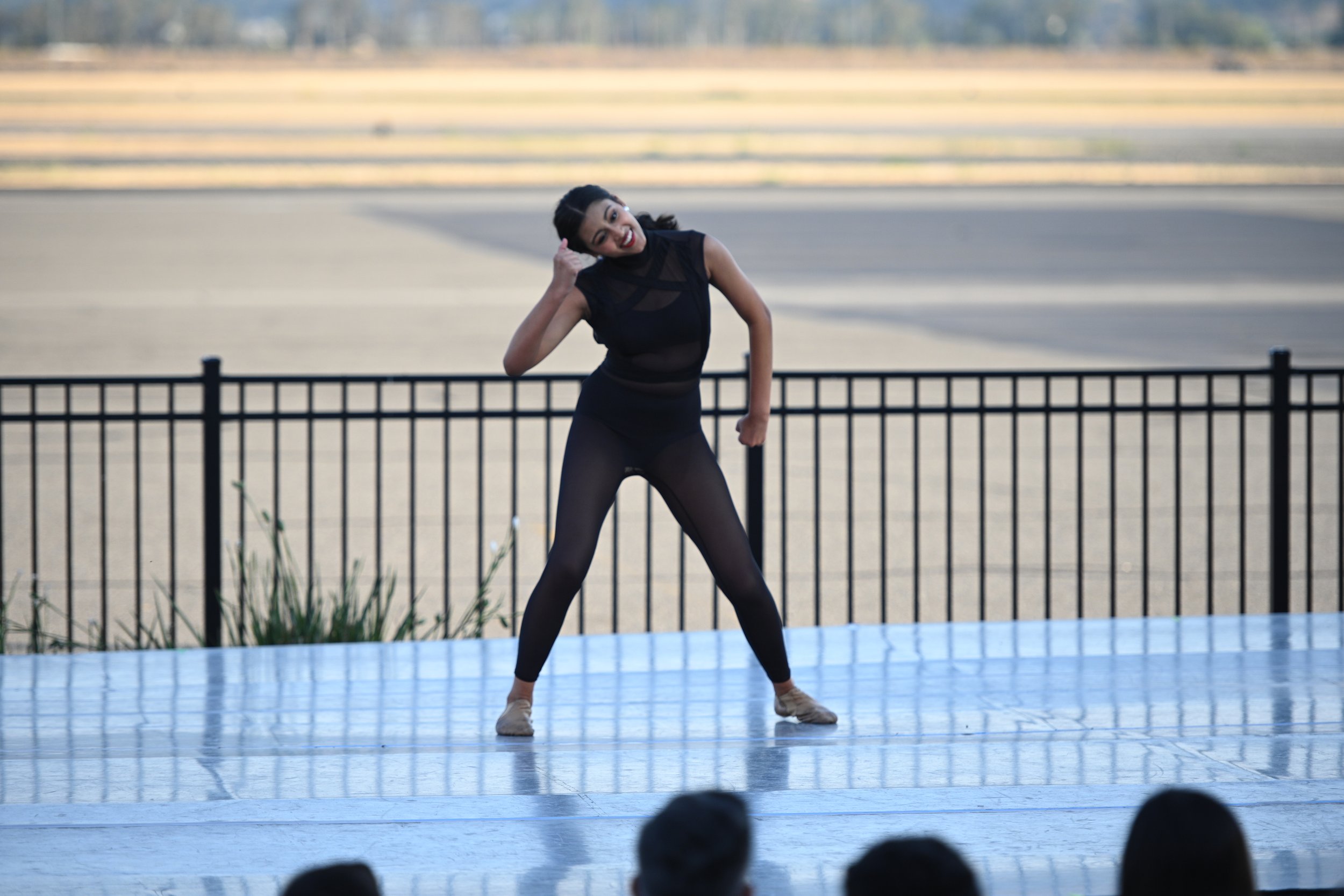
Summer is one of the most exciting times of year for young dancers. The school year winds down, schedules open up, and the opportunity to dive deeper into movement, rhythm, and expression becomes very real. For many families, enrolling kids in summer dance classes is a natural next step in supporting their child's passion and physical development. But beyond the leaps, turns, and technique, there is something equally important happening in the studio: the emotional and psychological growth of a young person learning to understand their body, their limits, and their sense of self.
Mental health for kids is not a topic that should be reserved for therapists or school counselors alone. It belongs in every space where children grow, including the dance studio. When we take the time to understand how training affects a young dancer's inner world, we create environments where both their artistry and their wellbeing can truly flourish.
Why the Summer Season Creates Unique Emotional Pressures
The summer months bring freedom, but they also bring intensity. Dancers who attend a summer dance camp often find themselves training for longer hours, learning new choreography at a faster pace, and performing alongside peers who may seem more advanced. This combination can be thrilling, but it can also quietly fuel anxiety, self-doubt, and comparison.
Unlike the regular school year, summer training tends to compress growth into a short window. Progress that might unfold over months is expected to happen in weeks. For younger students especially, this kind of pressure can feel overwhelming, even if no one explicitly says the words "you need to be better." The pressure lives in the atmosphere of a rigorous training environment, and kids absorb it.
Parents and instructors need to recognize that emotional fatigue is just as real as physical fatigue. A child who comes home from summer dance classes irritable, withdrawn, or tearful is not simply being dramatic. They may be processing a demanding emotional experience that they do not yet have the language to describe.
How Positive Studio Culture Protects Young Dancers
The culture inside a dance studio has a profound impact on how young students experience training. When instructors prioritize encouragement alongside correction, when mistakes are treated as part of the process rather than as failures, and when students feel seen as whole people rather than bodies to be shaped, mental health for kids improves significantly.
A well-run summer dance camp understands that psychological safety is not a soft extra. It is a foundation. When dancers feel safe to try, to fall, and to ask questions without fear of humiliation, they actually progress faster. The nervous system relaxes, muscle memory forms more effectively, and creativity has room to emerge.
Teachers who check in with students, who notice shifts in mood or energy, and who speak about rest and recovery as essential parts of training send a powerful message: your wellbeing matters here. This message does not weaken a training program. It strengthens it by building trust between instructor and student, which is the very thing that allows honest feedback to land well.
Recognizing Signs of Burnout and Emotional Strain
One of the most important things a parent can do when their child is enrolled in summer dance classes is stay attuned to the signs that something is off. Burnout in young dancers does not always look like quitting or refusing to go to class. Sometimes it looks like a child who loves dance but suddenly seems joyless. Sometimes it shows up as persistent physical complaints, like stomachaches or headaches that have no clear medical explanation. Sometimes it looks like a kid who is technically executing everything correctly but who seems to have gone somewhere far away behind their eyes.
Other signs to watch for include increased perfectionism, an inability to receive any form of criticism without falling apart emotionally, and a pattern of comparing themselves negatively to peers. These are signals that the emotional load has become too heavy, and that the child needs support, not more drilling.
Mental health for kids in demanding training environments is sometimes affected by the culture of perfectionism that dance historically carries. While high standards and artistic discipline are genuinely valuable, they must be balanced with compassion, humor, and permission to be imperfect. When that balance is missing, even a talented, motivated young dancer can begin to associate their worth as a person with their worth as a performer, and that association carries risks that extend well beyond the studio.
Building Resilience Through Mindful Training Practices
Resilience is one of the most valuable things a young person can develop, and the dance studio offers a remarkable environment for building it. Every time a dancer struggles with a combination and then finds it, every time they perform nervously and survive the experience, every time they receive feedback and choose to keep going, they are practicing resilience in one of its purest forms.
The key is making that process conscious and supportive. Summer dance classes that incorporate brief moments of reflection, whether through journaling, group sharing, or simple breathing exercises at the start and end of each session, help dancers develop an awareness of their inner experience. This awareness is the beginning of emotional intelligence, which serves young people in every area of their lives, not just in the studio.
A thoughtful summer dance camp will also build in adequate rest between training days, encourage hydration and proper nutrition without making food a source of anxiety, and celebrate effort and growth rather than only final results. These practices do not dilute the seriousness of the training. They deepen it by developing dancers who know how to sustain themselves over a long artistic life.
Parents can reinforce these values at home by asking open-ended questions after class. Instead of "How did it go?" try "What did you notice about yourself today?" or "Was there anything that felt hard emotionally, not just physically?" These small shifts in conversation invite children to connect their internal world with their physical experience, which is ultimately what dance itself asks of them.
Conclusion
The best summer dance experiences are ones where young people leave not only more technically skilled but also more self-aware, more emotionally grounded, and more confident in who they are. When families choose summer dance classes or a summer dance camp, they are making a choice about the kind of environment they want surrounding their child during a formative season. Mental health for kids is not separate from dance training; it is woven into every correction, every rehearsal, every performance, and every moment of rest in between. Studios, parents, and students who honor that connection are the ones who build something that lasts long after the summer ends.
Need DANCE CLASSES FOR CHILDREN NEAR YOU?
We would love to welcome you into our dance family, so reach out today to learn how our award winning Livermore studio can inspire your child through movement, creativity, and confidence. Whether your dancer is just beginning with Twinkle Star Dance™, ready for structured Ballet School training, excited to try Jazz, Tap, Lyrical, or Hip Hop, or dreaming of performing in shows like The Nutcracker or The Big Show, we are here to help them shine. Start your dance journey with us today!
