
Summer Dance Camp vs. Weekly Classes: Which is Right for You?
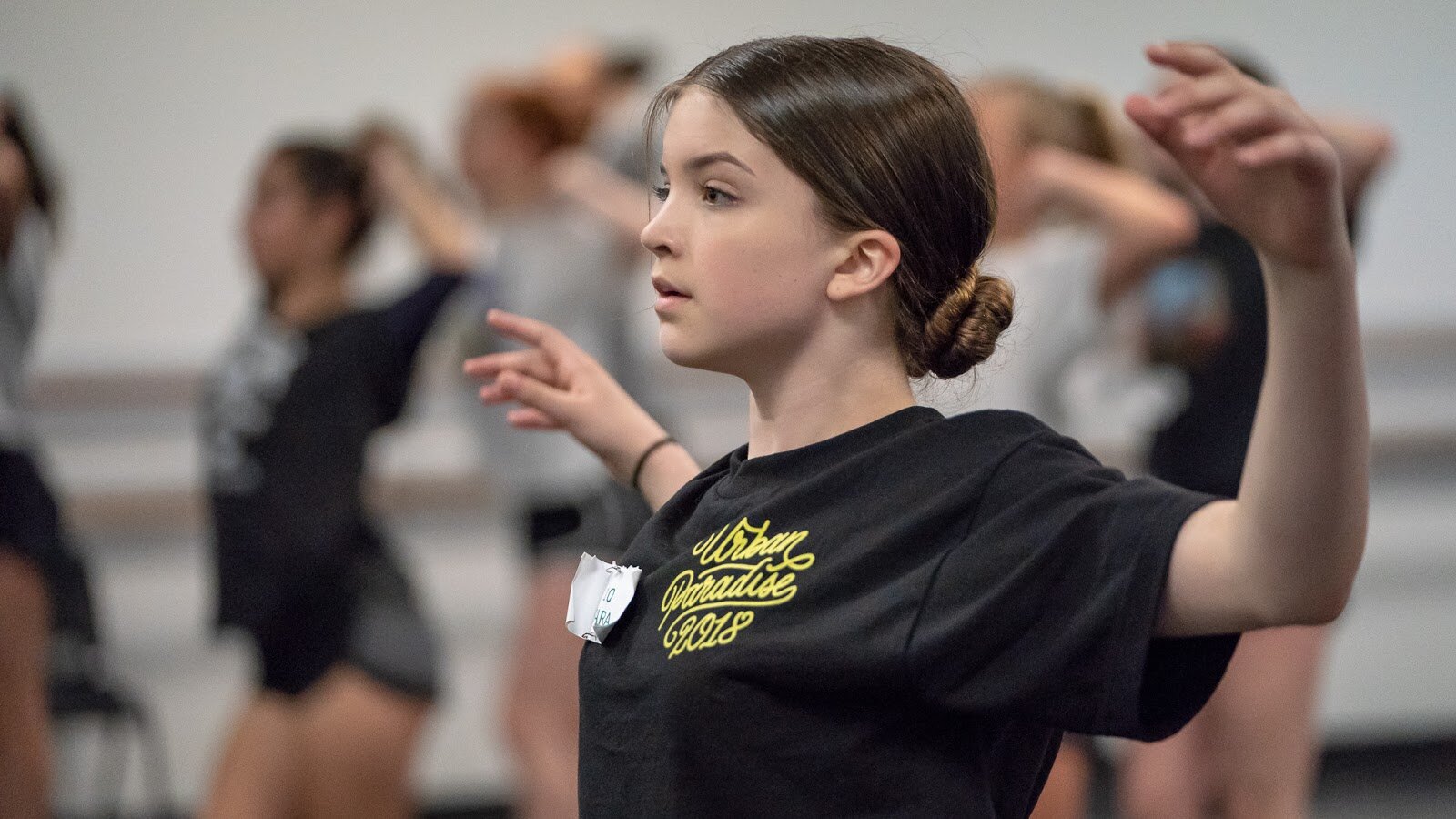
When the school year winds down and schedules open up, many parents and dancers start asking the same question: should we sign up for summer dance camps or stick with the familiar rhythm of weekly classes? Both options offer real value, but they serve different goals, personalities, and lifestyles. Understanding the key differences can help you make a choice that keeps your dancer motivated, growing, and excited to hit the floor all season long.
Whether your child is a beginner just finding their footing or a seasoned performer chasing the next level, the summer is one of the most powerful times to invest in dance training. The key is matching the format to the dancer.
What Are Summer Dance Camps and How Do They Work?
Summer dance camps are intensive, multi-day programs that immerse dancers in training over the course of a week or several weeks. Unlike a single weekly class, these programs pack in hours of instruction each day, covering technique, choreography, performance, and often multiple dance styles all at once.
Most summer dance camps run anywhere from one week to a full month, with some residential options allowing dancers to live and breathe the experience around the clock. Day camps, which are more common at local studios, typically run from morning to early afternoon and send dancers home each evening. Both formats are designed to fast-track development in a short amount of time.
The social environment of summer dance camps is a big part of the appeal. Dancers meet peers from different schools and studios, form friendships over shared passions, and push each other to try harder. For many young dancers, the camp experience becomes one of the highlights of their entire year, not just their dance journey.
Camps also tend to bring in guest instructors, choreographers, or industry professionals who add a fresh perspective that a dancer may not get from their regular studio environment. This kind of exposure can be genuinely eye-opening, especially for dancers who are considering a more serious path in the art form.
The Case for Weekly Summer Dance Classes
Summer dance classes follow the same structure as the rest of the year: one or two sessions per week at a local studio, building skills gradually over time. For many families, this format simply makes more sense given the realities of summer schedules, travel plans, and budget considerations.
Consistency is one of the biggest advantages of weekly summer dance classes. Dance is a physical discipline, and the body responds well to regular, repeated practice spread out over time. Students who attend weekly classes throughout the summer often return to the fall season with sharper muscle memory and stronger technical foundations than those who took the entire summer off.
Weekly classes also tend to be lower pressure. There is no end-of-week showcase to prepare for, no intensive eight-hour training days, and no sudden social adjustment period. For younger dancers or those who are newer to the art form, this gentler pace can be exactly what they need to build confidence without burning out.
Cost is another practical factor. Summer dance classes are almost always more affordable than full camp programs, making them a sustainable choice for families who want to keep their dancer active without a major financial commitment. Many studios also offer flexible drop-in options during the summer, adding even more convenience.
How to Decide Based on Your Dancer's Goals and Personality
Choosing between summer dance camps and weekly classes really comes down to knowing your dancer. Not every child thrives under the same conditions, and what lights one kid up might overwhelm another.
If your dancer is highly motivated, socially energetic, and craving a challenge, a summer camp setting is likely to be a fantastic fit. The intensity of the experience pushes dancers past their comfort zones in a way that weekly classes rarely can. Breakthroughs in technique, confidence, and performance quality often happen in compressed environments where dancers have no choice but to fully commit.
On the other hand, if your dancer is introverted, still finding their passion for dance, or simply needs a lower-key summer, weekly classes are probably the smarter choice. Forcing an intensive experience on a dancer who is not ready for it can do more harm than good, creating negative associations with something that should bring joy.
Age is also worth considering. Younger children, generally those under seven or eight, often do better with shorter weekly sessions that do not demand too much focus or stamina. Older dancers, especially those in their pre-teen and teenage years, are usually better equipped to handle the demands of a multi-day camp program and tend to get more out of it.
It is also worth noting that the two options are not mutually exclusive. Many families choose to enroll their dancer in a one-week summer dance camp for the intensive experience, then round out the rest of the summer with weekly classes to maintain momentum. This hybrid approach gives dancers the best of both formats without overwhelming the schedule or the budget.
What to Look for When Evaluating Programs
Not all summer dance camps or weekly class programs are created equal. Before signing up for anything, it is worth doing a little homework to make sure the program is the right fit for your dancer's needs and your family's expectations.
For summer dance camps, look at the instructor credentials and any guest faculty the program brings in. A well-run camp should be transparent about who is teaching, what styles will be covered, and what a typical daily schedule looks like. Ask whether there is a performance or showcase at the end of the week, as these can be a wonderful motivator for many dancers. Also check the camper-to-instructor ratio. Smaller groups typically mean more individualized attention, which can make a significant difference in how much a dancer actually learns and improves.
For weekly summer dance classes, look at whether the curriculum is designed for the summer specifically or simply a continuation of the fall and spring content. Summer-specific classes tend to be more exploratory and fun, which helps keep younger dancers engaged when the season naturally pulls attention in many directions. Also consider whether the studio offers classes across multiple styles during the summer, since this can be a great opportunity for dancers to try something new, like hip-hop, contemporary, or jazz, without committing to a full year.
In both cases, visit the studio or camp facility if possible, talk to other parents who have been through the program, and trust your instincts. The best program is one where your dancer feels safe, challenged, and genuinely excited to show up.
Conclusion
There is no single right answer when it comes to choosing between summer dance camps and weekly classes. Both paths offer meaningful growth, great memories, and a chance to deepen a dancer's connection to the art form. The best choice is the one that fits your dancer's personality, goals, and readiness, while working within your family's schedule and budget. Take the time to explore your local options, ask the right questions, and involve your dancer in the decision. When a child feels heard and included in the process, they are far more likely to show up with enthusiasm and make the most of whatever experience you choose together.
Need DANCE CLASSES FOR CHILDREN NEAR YOU?
We would love to welcome you into our dance family, so reach out today to learn how our award winning Livermore studio can inspire your child through movement, creativity, and confidence. Whether your dancer is just beginning with Twinkle Star Dance™, ready for structured Ballet School training, excited to try Jazz, Tap, Lyrical, or Hip Hop, or dreaming of performing in shows like The Nutcracker or The Big Show, we are here to help them shine. Start your dance journey with us today!
