Best Age to Start Dance Classes
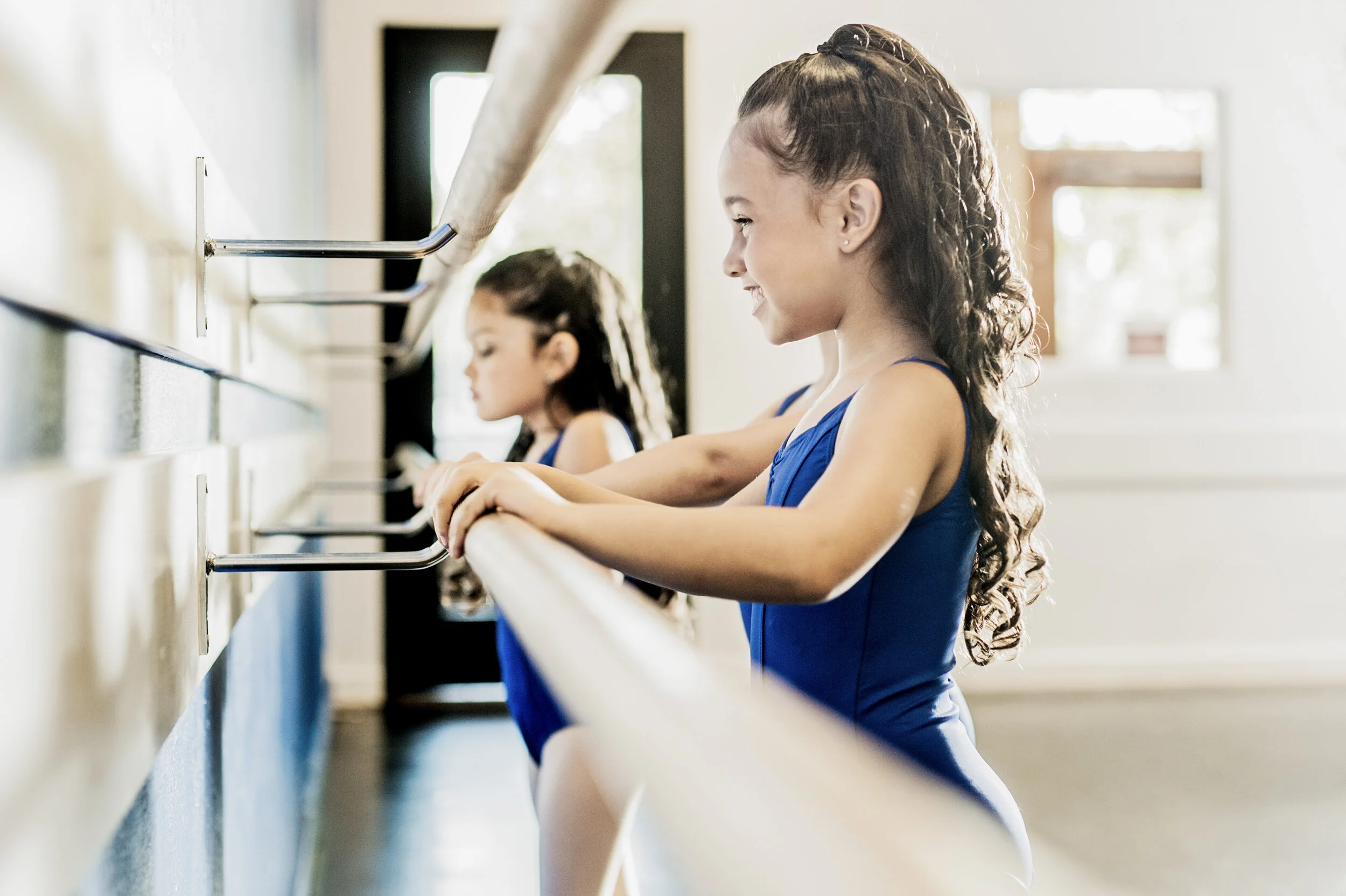
Choosing the right time to begin dance classes is a common question for families in Livermore. Parents want to support their child's development without starting too early or waiting so long that their child feels behind. The good news is that dance is available for a wide range of ages, and every stage offers unique benefits.
Quick Answer
The best age to start dance classes depends on your child's developmental stage and interests. Many children begin introductory movement classes between ages 2 and 3, while structured ballet, jazz, tap, or hip hop classes often start around ages 4 to 6. Older children, teens, and even adults can successfully begin dance at any age with the right instruction and class placement.
What Local Families Should Know
Children as young as 2 years old can benefit from creative movement classes that build coordination, listening skills, and confidence.
Many Livermore families choose to begin structured dance lessons before kindergarten to help children become comfortable in a classroom setting.
Busy school schedules in communities like Pleasanton, Dublin, and San Ramon make after-school and weekend dance programs especially popular.
Every child develops differently, so choosing a class based on readiness rather than age alone often leads to the best experience.
Dance can become a lifelong activity, and beginners of all ages are welcome in many recreational programs.
Why This Matters Locally
Families throughout Livermore and the Tri-Valley area have access to a wide variety of youth activities. Between local parks, community sports, music lessons, and school programs, parents often wonder which activities provide both physical and personal growth.
Dance offers a unique combination of movement, creativity, discipline, and social interaction. Whether your child attends school near Downtown Livermore, Springtown, South Livermore, or neighboring communities in Alameda County, finding the right age to begin can help establish healthy habits and a love of learning through movement.
At Tiffany's Dance Academy, we believe every dancer deserves an encouraging environment where they can grow at their own pace. From a child's very first dance class to advanced training, our goal is to make learning enjoyable while building strong fundamentals.
Local Field Observations
Our experience working with children throughout Livermore, Pleasanton, Dublin, San Ramon, and nearby communities shows that children often thrive when they begin classes matched to their developmental readiness rather than simply their age.
Young dancers usually progress best when classes emphasize fun, creativity, and age-appropriate expectations. As children mature, they become ready for increased technique, choreography, teamwork, and performance opportunities.
How Age Affects Dance Readiness
The best dance class matches your child's developmental stage rather than simply their birthday. Physical coordination, attention span, confidence, and willingness to participate all play important roles in creating a positive first experience.
Ages 2 to 3
Creative movement classes introduce basic coordination, rhythm, balance, and classroom routines.
At this age, children learn to:
Follow simple directions
Move with music
Practice sharing space
Develop gross motor skills
Build confidence away from parents
The focus remains on fun and exploration rather than technical dance instruction.
Ages 4 to 6
Structured beginner dance classes become appropriate for many children.
Students begin learning:
Basic ballet positions
Introductory tap rhythms
Simple jazz movements
Musical timing
Classroom etiquette
Working with classmates
Many instructors consider this an excellent age to begin formal dance education.
Ages 7 to 10
Older beginners can often learn quickly because they have stronger coordination and longer attention spans.
Many children starting at this age successfully participate in:
Ballet
Jazz
Hip hop
Tap
Contemporary dance
Beginning later does not prevent children from enjoying dance or making meaningful progress.
Teens
Teen beginners frequently appreciate dance for:
Physical fitness
Stress relief
Building confidence
Making friends
Learning new skills
Many recreational classes welcome students with no previous experience.
Adults
There is no age limit for starting dance.
Adults often begin classes to:
Stay active
Improve flexibility
Learn a new hobby
Meet others with similar interests
Enjoy music and movement
Signs Your Child Is Ready for Dance
Children who show curiosity about movement and can participate in a group setting are often ready for beginner dance classes. Every child develops differently, but several common signs can help parents decide.
Your child may be ready if they:
Enjoy dancing at home
Can follow simple instructions
Participate comfortably in group activities
Separate from parents without significant distress
Show interest in music
Have enough stamina for a short class
Enjoy learning new movements
When to Wait a Little Longer
Waiting can be beneficial if your child is not yet comfortable participating independently. Starting a few months later often creates a much more positive experience.
You may consider postponing classes if your child:
Becomes extremely anxious in group settings
Cannot remain engaged for short periods
Has difficulty following basic directions
Is not interested in participating despite encouragement
Every child reaches readiness at their own pace.
Common Questions Parents Ask
Parents often worry about starting too early or too late, but most children can find an appropriate class regardless of when they begin.
Common concerns include:
Will my child fall behind?
Should we start with ballet?
Is dance too demanding for preschoolers?
Can older beginners catch up?
Which dance style is best?
The answers usually depend more on individual goals than age alone.
Prevention of Early Frustration
Choosing the right class level helps children enjoy dance while building confidence. Appropriate placement prevents frustration and encourages long-term participation.
Parents can help by:
Choosing age-appropriate classes
Avoiding unrealistic expectations
Encouraging regular attendance
Celebrating effort rather than perfection
Allowing children to progress naturally
Expected Results
Children who begin dance in an encouraging environment often develop both physical and personal skills over time.
With consistent attendance, many students improve:
Balance
Coordination
Flexibility
Rhythm
Listening skills
Confidence
Teamwork
Discipline
Progress varies for every dancer, but consistent participation usually leads to steady improvement.
Common Mistakes
Choosing classes based only on age instead of readiness can make the first experience less enjoyable.
Common mistakes include:
Mistake: Enrolling in an advanced class too soon.
Better approach: Begin with a true beginner program that builds strong fundamentals.
Mistake: Comparing children to siblings or friends.
Better approach: Focus on each child's individual progress.
Mistake: Expecting immediate perfection.
Better approach: Celebrate consistent participation and gradual improvement.
Common Local Scenario
A family in Livermore has a four-year-old who loves dancing at home but has never participated in organized activities. They worry their child may be too shy for class.
In many situations like this, beginner dance classes provide a supportive environment where children gradually become comfortable following directions, interacting with classmates, and expressing themselves through movement. Over time, many young dancers gain confidence that extends beyond the dance studio.
Related Dance Programs
Different dance styles support different interests and developmental goals.
Depending on age and experience, students may enjoy:
Creative movement
Ballet
Tap
Jazz
Hip hop
Contemporary dance
Combination classes
Learn more about our beginner dance classes
Serving Livermore and Nearby Communities
We proudly welcome dancers from Livermore, Pleasanton, Dublin, San Ramon, and surrounding communities throughout Alameda County. Families across the Tri-Valley area choose local dance instruction that supports growth, confidence, and a lifelong appreciation for movement.
The Cost of Waiting Too Long
Waiting until your child feels ready is perfectly reasonable, but postponing for years because of uncertainty may mean missing opportunities to build confidence, friendships, coordination, and a love of dance. Starting with an age-appropriate beginner class allows children to explore dance without unnecessary pressure.
Contact us to learn which beginner class is the best fit for your child
Frequently Asked Questions
What is the best age to start dance classes in Livermore?
The best age depends on your child's readiness. Many children in Livermore begin creative movement classes around ages 2 to 3, while structured dance instruction often starts between ages 4 and 6.
Is 7 years old too late to begin dance?
No. Seven is an excellent age to start. Many children begin dance at this age and quickly build skills because they often have stronger coordination and longer attention spans.
Can teenagers start dance with no experience?
Yes. Many beginner classes welcome teens with no previous dance experience. Dance offers fitness, creativity, confidence, and social opportunities regardless of when someone starts.
What dance style should beginners choose in Alameda County?
Ballet, creative movement, jazz, and combination classes are all excellent starting points. The best choice depends on the student's interests, goals, and age.
Do preschool dance classes help with school readiness?
Yes. Preschool dance classes often encourage listening, following directions, taking turns, and participating in group activities, which can complement early learning experiences.
How often should beginner dancers attend class?
Most beginner students benefit from attending one class each week. Regular attendance helps children develop confidence and build skills at a comfortable pace.
Does my child need special dance experience before enrolling?
No. Beginner classes are designed for students with little or no previous dance training.
Are beginner dance classes available for families near Pleasanton and Dublin?
Yes. Many dance studios serving the Tri-Valley welcome students from Pleasanton, Dublin, San Ramon, and nearby communities looking for quality beginner instruction.
Helping Every Dancer Take Their First Step
Starting dance is an exciting milestone, and there is no single perfect age for every child. The right class is one that matches your child's readiness, interests, and personality while creating a positive experience that encourages growth, confidence, and a lifelong enjoyment of dance.
Discover the Right Dance Class for Your Family
Every dancer starts somewhere, and we're here to help make that first step a positive one. Contact us today to explore beginner dance classes and find the right fit for your child.
