
Keeping the Magic Alive at Home: Post-Class Dance Activities
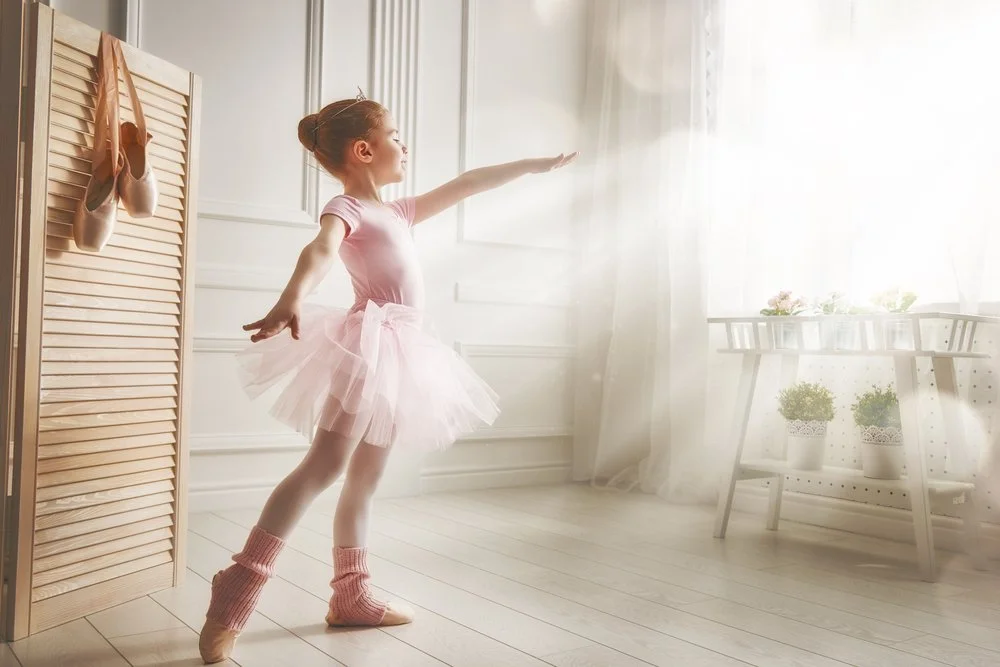
After a fun and lively dance class, the energy, creativity, and enthusiasm don’t have to end when your child leaves the studio. In fact, the time spent at home can be just as enriching and imaginative when you introduce engaging post-class dance activities. These moments of movement and connection at home are not only an opportunity to reinforce lessons learned during class, but they also help build confidence, encourage physical activity, and foster a lifelong love of dance. For parents looking to extend the joy, here are meaningful ways to keep the rhythm going and nurture kids' movement long after class ends.
Creating a Dance-Friendly Space at Home
The first step in encouraging dance at home is setting the stage. While you don’t need a full studio set-up, creating a designated space for movement sends a message that dance is welcome and encouraged in your home. Choose a spot that’s free from clutter and offers enough room for your child to spin, jump, and stretch safely. Soft flooring or rugs can help prevent slips, and mirrors add a fun and engaging element by allowing your child to see their movements.
Having simple tools on hand can also amplify the experience. Scarves, ribbons, or soft balls can become creative props that make at-home dancing more dynamic. A small Bluetooth speaker or playlist with favorite class songs or new dance tunes can get everyone moving. This isn’t about perfection or performance, but about fun, freedom, and exploration. When kids have access to a welcoming space, they are more likely to use their imagination and take initiative with their own dance creations.
Exploring Dance Games for All Ages
Dance games offer a playful way to revisit skills, explore creativity, and introduce structure while still having fun. These games can be adapted for different age groups and skill levels, allowing the whole family to join in. Games like “Freeze Dance,” where kids move to music and freeze when the music stops, are classics for a reason. They teach timing, control, and listening skills in a setting that feels more like a game than a lesson.
Another idea is “Mirror Movement,” where one person leads and the other copies their moves. This fosters coordination, observational skills, and can lead to laughter and bonding. You can also create simple obstacle courses with dance elements between stations. Think of twirling to the couch, leaping over a pillow, or balancing on a line of tape across the floor. These types of kids movement games are not just entertaining, they also promote gross motor development and spatial awareness.
For older kids or more experienced dancers, games that involve choreography challenges can be exciting. Give your child a random word or emotion and ask them to create a short routine around it. You can even record their dances and watch them together, offering encouragement and celebrating their creativity.
Using Storytelling to Spark Dance Inspiration
Storytelling is a powerful way to tie dance and imagination together. After class, ask your child to describe what they learned using movement. Can they show you a part of the warm-up? Can they retell the story of a ballet they learned or create a new one? Giving movement a narrative gives it new life and encourages your child to think about how dance connects to emotion, character, and plot.
You might create a bedtime story that includes dance characters and movement challenges. For example, a tale about a jungle adventure can involve stomping like an elephant, leaping like a monkey, or gliding like a butterfly. These activities keep bodies moving while enhancing listening and comprehension skills.
Parents can also take part by becoming characters in the story. Perhaps you're the narrator while your child is the hero of the story, using dance to overcome obstacles or celebrate achievements. This not only keeps the fun alive after class but deepens the emotional connection between dance and self-expression.
Encouraging Self-Choreographed Performances
One of the most empowering ways to encourage dance at home is to give your child the opportunity to create and perform their own routines. Self-choreographed performances help children process what they’ve learned and express their unique perspectives. Invite your child to come up with a solo routine or a group performance that includes siblings or friends. They might choose a favorite song or even create a theme like “a day at the beach” or “a journey through space.”
These mini performances can take place in the living room, backyard, or even over video calls with grandparents. Costumes can come from the dress-up box, and props can be as simple as a scarf or a paper crown. The point is not to judge the quality of the routine but to celebrate effort, creativity, and the joy of movement.
Watching your child direct their own performance gives insight into what they value and remember from their classes. It also helps them practice planning, memory, and presentation skills. If they’re hesitant, you can join in or offer to help with music and lights to create a supportive atmosphere.
Making Dance a Daily Ritual
To truly integrate dance into your home life, consider making it part of your daily routine. Even five to ten minutes a day can reinforce skills, promote physical fitness, and improve mood. You might start the day with a “wake-up wiggle” or have a daily dance-off after dinner. Dance can be used to transition between activities too. For example, put on a fun song for a cleanup dance or celebrate homework completion with a quick dance break.
These small rituals keep the spirit of the dance class alive and ensure that movement becomes a natural part of your child’s daily rhythm. It doesn’t have to be formal or structured. Sometimes spontaneous dance parties in the kitchen can be just as valuable as planned activities. The key is consistency and joy. When dance is woven into the fabric of daily life, it becomes not just an extracurricular activity, but a personal outlet and family tradition.
Conclusion
Post-class dance activities are more than just an extension of learning. They are a chance to celebrate your child’s growth, boost confidence, and foster creativity in a way that is playful and personal. Whether it’s through imaginative storytelling, exciting dance games, or mini living room performances, there are endless ways to encourage kids movement and keep the dance magic alive at home. These moments deepen the connection between body and mind, build lasting family memories, and inspire a lifelong love for dance. By nurturing these habits, you help transform every day into a stage where joy, rhythm, and imagination take center spotlight.
Need DANCE CLASSES FOR CHILDREN NEAR YOU?
We would love to welcome you into our dance family, so reach out today to learn how our award winning Livermore studio can inspire your child through movement, creativity, and confidence. Whether your dancer is just beginning with Twinkle Star Dance™, ready for structured Ballet School training, excited to try Jazz, Tap, Lyrical, or Hip Hop, or dreaming of performing in shows like The Nutcracker or The Big Show, we are here to help them shine. Start your dance journey with us today!
