Combo Classes: Why Exploring Multiple Styles Matters for Young Dancers
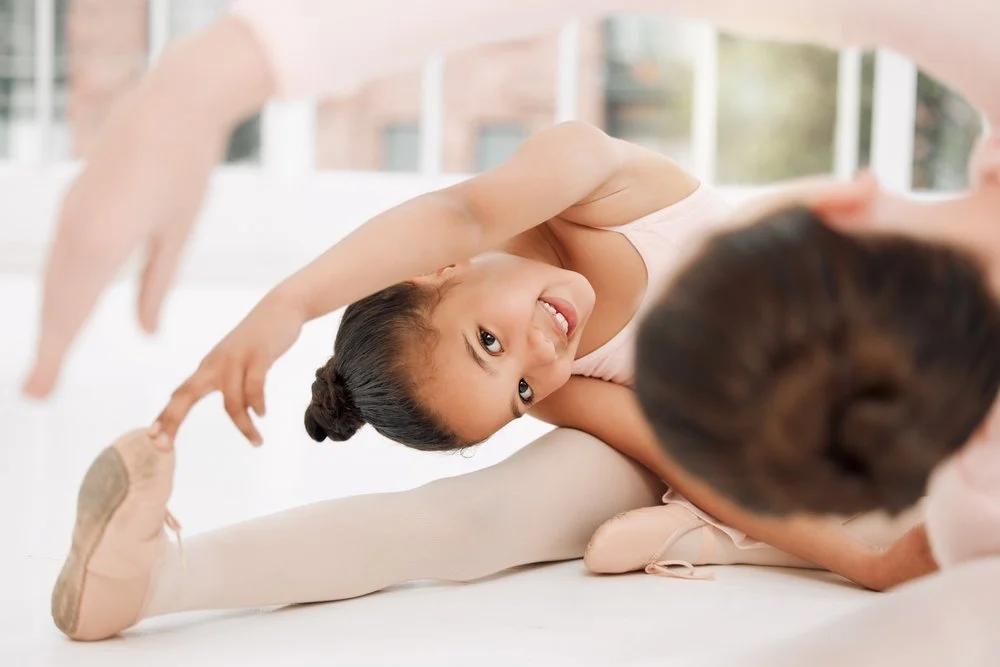
Introducing kids to dance is a powerful way to develop physical coordination, discipline, and creativity. But not all dance programs are created equal. Combo dance classes, which combine two or more dance styles in a single session, are becoming an increasingly popular way to give young dancers a more well-rounded foundation. Rather than focusing on one genre, combo dance allows students to sample a variety of movement languages, building skills and confidence across the board. For parents considering kids dance classes for their child, understanding the value of this multi-style approach can make all the difference.
A Strong Start with Dance Basics
Every aspiring dancer needs a solid grounding in the fundamentals. Combo dance classes are an ideal way to build that foundation. These classes usually pair complementary styles, such as ballet and tap or jazz and hip hop, giving children the opportunity to develop essential motor skills in varied formats. For example, ballet emphasizes posture, strength, and grace, while tap builds rhythm, timing, and musicality. By learning both, young dancers gain a broader perspective on how their bodies can move and how movement interacts with music.
This type of training nurtures body awareness and improves flexibility, balance, and strength. Rather than isolating those skills in a single genre, combo classes encourage children to discover how different styles call on similar core principles in unique ways. This kind of integrative learning is particularly effective for beginners, who benefit from exposure to diverse techniques and movement vocabularies early in their training journey.
Discovering Personal Style Through Variety
Children often don’t know which dance style suits them best until they’ve had a chance to explore. Combo dance classes open that door. By engaging with multiple genres, students develop a taste for what excites and motivates them most. A child who starts with jazz and ballet might discover an unexpected passion for the energy and creativity of hip hop. Another might find joy in the precision and percussiveness of tap.
This sense of discovery is crucial during the early years. When young dancers have the freedom to experiment, they’re more likely to stay engaged and enthusiastic about learning. They can make more informed decisions about which paths to pursue as they grow, leading to stronger commitment and deeper satisfaction. Combo classes serve as a low-pressure environment for this exploration, keeping classes dynamic and fun while helping each child find their unique voice in dance.
Developing Versatility and Adaptability
In the world of dance, versatility is a major asset. Professional dancers are often expected to perform in a range of styles, and even young dancers benefit from the ability to switch gears quickly. Combo dance classes build this flexibility from the start. Students not only learn multiple technical styles, but also adapt to different tempos, emotional expressions, and choreography formats.
This adaptability helps kids become better learners overall. They get used to moving outside their comfort zones, picking up new patterns, and adjusting their mindset for different challenges. These are life skills that transfer well beyond the dance studio. Whether they continue with dance long-term or not, children who take combo classes become more resilient, responsive, and open to new experiences.
In addition, combining styles within one class helps children learn transitions. Moving from one genre to another within a single session teaches them how to shift posture, mood, and technique on the fly. These quick changes sharpen mental agility and physical coordination, reinforcing the ability to multitask and think creatively under pressure.
Enhancing Performance and Stage Presence
Combo dance classes do more than build technical skill. They also enrich a young dancer’s ability to perform. Different styles demand different types of expression. Jazz may call for boldness and sass, ballet for elegance and control, while hip hop might emphasize confidence and individuality. By practicing all of them, kids gain a broader emotional range and learn to connect with an audience in different ways.
This exposure makes a big difference when it comes time to perform. Students who train in combo classes tend to be more comfortable on stage because they’ve rehearsed a variety of moods and movements. They understand how to project their personality through motion and respond to music in nuanced ways. As a result, they become more engaging performers who are better prepared for recital pieces, competitions, or auditions that demand range and presence.
Instructors in combo classes often incorporate performance-focused exercises like improvisation or short choreography combinations that push students to embody characters or emotions. These tools are invaluable for building stage presence early on, helping dancers grow into confident, expressive artists from a young age.
Creating a Balanced Learning Experience
Another key benefit of combo dance classes is the balance they bring to a dancer’s training. Kids dance classes can sometimes focus too narrowly on one style, leading to repetitive movement and mental burnout. Mixing it up keeps things fresh. A child who finds the technical demands of ballet challenging might thrive in the freer structure of jazz or the energetic pulse of hip hop. When these experiences are combined, they complement each other beautifully, allowing kids to enjoy both structure and spontaneity.
Combo classes also promote a more holistic approach to movement education. They train not only the body, but also the mind and emotions. Switching styles requires children to think critically, remember choreography, and express themselves authentically. It keeps their brains active and their creativity flowing. This variety can enhance overall enjoyment and reduce frustration or boredom, keeping young dancers eager to return to class each week.
From a practical standpoint, combo classes are also time-efficient. Instead of enrolling in two separate classes for different styles, families can access a broader curriculum in a single, cost-effective session. This can be especially helpful for busy schedules or younger students just beginning their dance journey.
Conclusion
Combo dance classes offer young dancers a unique and valuable path to growth. They introduce children to the dance basics in a fun, supportive environment that encourages exploration, expression, and confidence. By sampling multiple styles, students develop versatility, refine their technique, and begin to discover their personal artistic preferences. They build adaptability and stage presence while enjoying a more dynamic and balanced learning experience.
For parents looking to enroll their child in kids dance classes, combo programs provide an excellent starting point. They lay the groundwork for future training while fostering a lifelong love of movement. In a world that increasingly values flexibility and creative thinking, combo dance is not just about learning to dance in more than one style. It is about learning to move through life with curiosity, confidence, and joy.
Need DANCE CLASSES FOR CHILDREN NEAR YOU?
We would love to welcome you into our dance family, so reach out today to learn how our award winning Livermore studio can inspire your child through movement, creativity, and confidence. Whether your dancer is just beginning with Twinkle Star Dance™, ready for structured Ballet School training, excited to try Jazz, Tap, Lyrical, or Hip Hop, or dreaming of performing in shows like The Nutcracker or The Big Show, we are here to help them shine. Start your dance journey with us today!
